(K Vishvdev Rao)(Lucknow)
9 November 1896, Chirala (Andhra Pradesh) – 9 March 1961, Patna (Bihar)
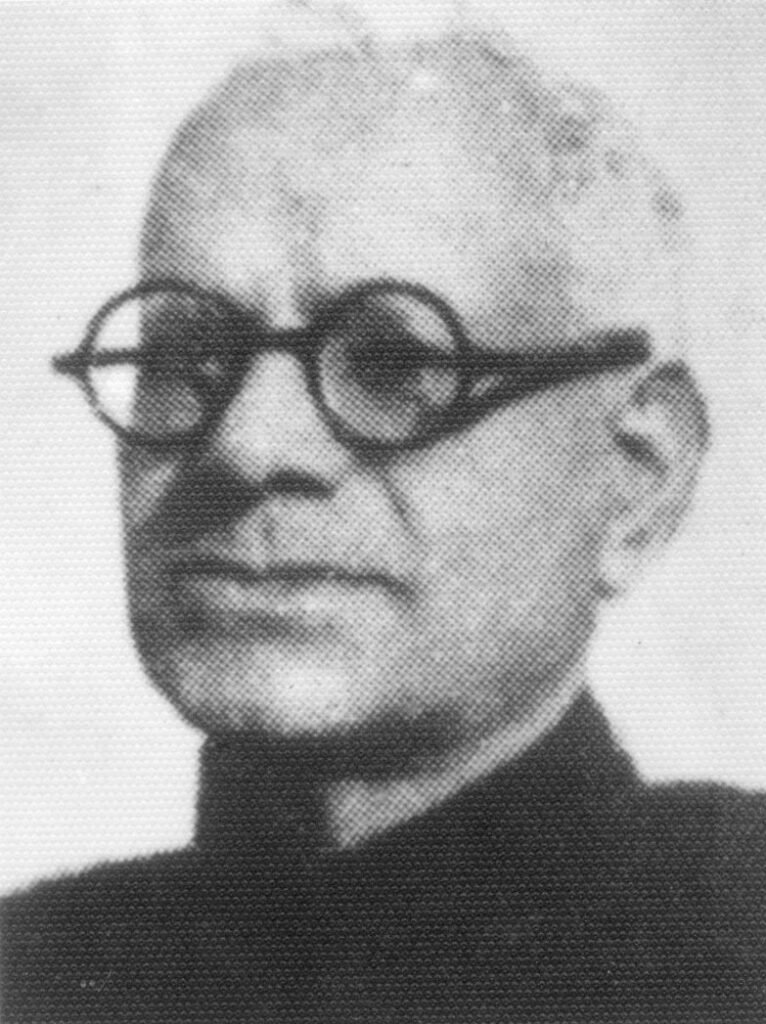
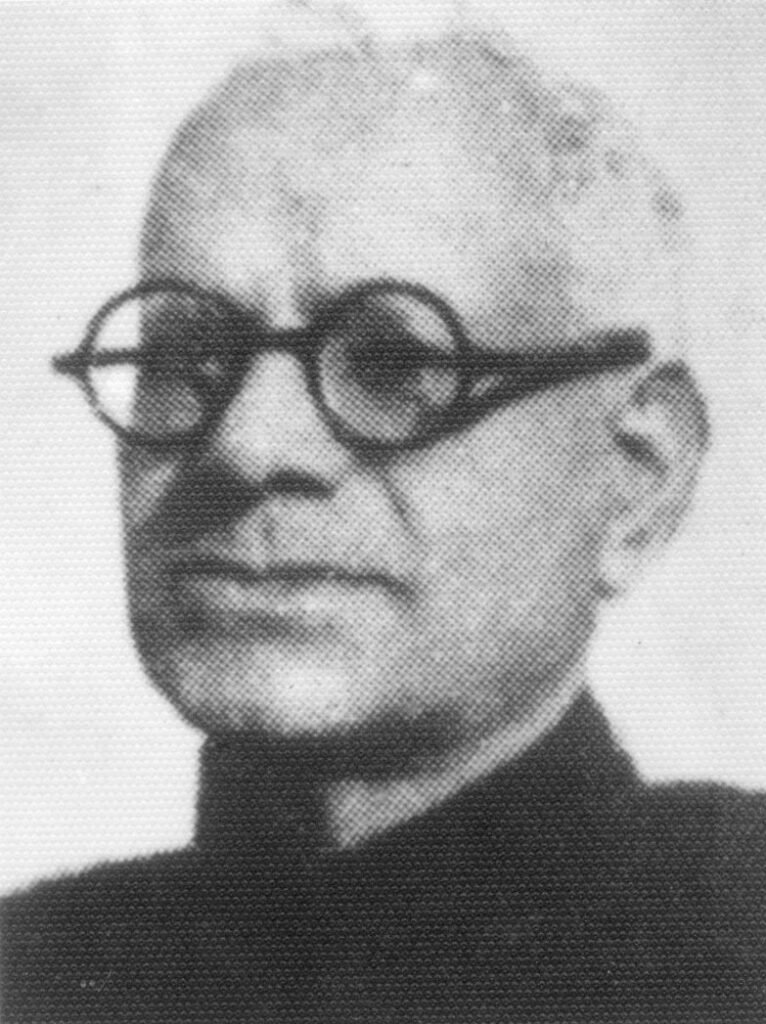
Today (9 November 2026) is the 130th birth anniversary of Shri Kotamaraju Rama Rao, nationalist editor, freedom fighter and member of the first Rajya Sabha in 1952.Mahatma Gandhi called him a “Fighting-Editor” when he worked with Bapu at Sevagram ashram. Rajagopalachari addressed him as “Dear Dreadnought.” Netaji Subhas Chandra Bose found that, as editor of Nehru’s National Herald, he was “more than fair to me.” President S. Radhakrishnan described him as a very active member who spoke in the Rajya Sabha “with knowledge, authority and experience.” Atal Bihari Vajpayee called him the “Dronacharya of Indian Journalism.”Early lifeRama Rao was born in Chirala on 9 November 1896. His father, Shri Kotamaraju Narayana Rao, was a headmaster and Sanskrit pundit. His mother, Venkayamma, organised a no-tax campaign against the British collector of Guntur district in 1899. His cousin Kotamaraju “Bombu” Ramayya was the first in Andhra to produce an indigenous bomb, in 1910 at Kattheswaram near Tenali.He graduated in English literature from the University of Madras in 1917 and taught English at the prestigious Pachiappa’s College. He then entered journalism through the Brahmo Samaj weekly Humanity, followed by Acharya T. L. (Sadhu) Vaswani’s New Times in Karachi. His first daily newspaper job was with Karachi’s Sind Observer, edited by his brother Shri K. Punnaiah.A career across the countryRama Rao was the only journalist of his era who worked in Lala Lajpat Rai’s The People and more than 25 newspapers across the metropolitan cities of undivided India, including Lahore and Karachi. They include the Times of India (Mumbai 1924), the Hindustan Times (New Delhi 1938), the Sind Observer (Karachi 1921), The People (Lahore 1936), Swarajya (Chennai 1935) and Free India (Kolkata 1934). He also worked on regional dailies such as the Leader (1920), the Pioneer (Allahabad 1928) and the Searchlight (Patna 1950).He changed newspapers so often that a colleague remarked: “Rama Rao carried editorial in one pocket and his resignation in the other.”Yet he is best remembered for editing the daily National Herald in Lucknow, which Jawaharlal Nehru founded in June 1938 when the Congress was first voted to power in the United Provinces Assembly.Reporting the freedom struggleIn a career spanning four and a half decades, Rama Rao reported on events between the two World Wars, the decisive moments of India’s freedom struggle, and the early years of planned development and non-aligned foreign policy.From 1943 to 1946 he was the exclusive reporter of Mahatma Gandhi’s movements at Sevagram, Shimla, Pune and Mahabaleshwar, filing for 25 Indian and foreign newspapers. He also covered the pre-independence Central Legislative Assembly, Congress sessions, political trials and cricket Test matches.In 1949 he accompanied the Indian Prime Minister on his first visit to America, Africa and Europe, reporting for the Hindustan Times group, including the Leader (Allahabad) and the Searchlight (Patna), of which he was editor until 1950. He visited the United States, Britain, France, Italy, Egypt, Brazil, Canada, Greece and Switzerland, among other countries.Jail for an editorialHis last editorial before the forced closure of the National Herald, titled “Vande Mataram” (15 August 1942), declared that English rulers would have to go and India would be free, ending with “Inquilab Zindabad” and “Vande Mataram.”In August 1942 he was jailed for six months for another editorial, “Jail or Jungle,” in which he attacked the British government for torturing Congress satyagrahis in the Lucknow camp jail. Radio Japan broadcast the Oudh Chief Court judgement convicting him within 30 minutes. He was held in the Revolutionary Yard of Lucknow jail, where Motilal Nehru, Jawaharlal Nehru and Acharya J. B. Kripalani had been kept earlier. His cellmates were Shiv Verma and Jaidev Kapoor of Bhagat Singh’s Lahore conspiracy case. He celebrated his birthday in jail.Teacher of journalistsRama Rao trained a large number of journalists, many of whom became editors and bureau chiefs. Among them were H. Y. Sharada Prasad, later Indira Gandhi’s media adviser; Sham Lal, later chief editor of the Times of India; and M. Chalapathi Rau, who joined the National Herald in the 13th position and succeeded Rama Rao as editor.Organiser, parliamentarian, authorRama Rao was a founder-member of the All-India Newspaper Editors’ Conference (AINEC, 1940), the editors’ professional body. Editors elected him to its standing committee at the Mumbai session of 1942, while he was in Lucknow jail. As Vice-President, he drafted the constitution of the Indian Federation of Working Journalists (IFWJ, 1950). He also played a dominant role in the people’s struggle for the formation of Andhra state.In 1952 he was elected to the first Rajya Sabha as a Congress nominee from the undivided state of Madras (Andhra region), proposed by K. Kamaraj and N. Sanjeeva Reddy, both later Congress presidents. In 1956 the Nehru Government appointed him its first Adviser on Plan Publicity. He wrote many books, including his autobiography, The Pen as My Sword.Family and final yearsIn 1922 Rama Rao married Saras Vani, an astrologer and English poetess, whose father, Prof. Chodavarapu Jagannatha Rao, was principal of the Teachers’ Training College in Machilipatnam. The marriage was arranged by his cousin, the late Dr. B. Pattabhi Sitaramayya, Congress president and later Governor of Madhya Pradesh.They had four sons. The eldest, K Pratap Rao, retired from the Indian Foreign Service and settled in America. The second, K Narayan Rao, retired from the Indian Audit and Accounts Service and is an eminent astrologer, now settled in Banglore. The third, K Vikram Rao, was an eminent journalist in Lucknow and President of Indian Federation of Working Journalists (IFWJ), and the fourth, K Subhas Rao, was a bank manager with Syndicate Bank.Rama Rao died in Patna on 9 March 1961. He is remembered as a fearless editor, a mentor to generations of journalists and a builder of the institutions of Indian journalism.